An anti-inflammatory diet is a way of eating designed to reduce chronic low-grade inflammation in the body — the kind of silent, background inflammation that's been linked to weight gain, fatigue, insulin resistance, bloating, hormonal imbalance, poor gut health and relentless cravings. It's not a fad and it's not a cleanse. It's a long-term pattern of eating built around real, whole foods.
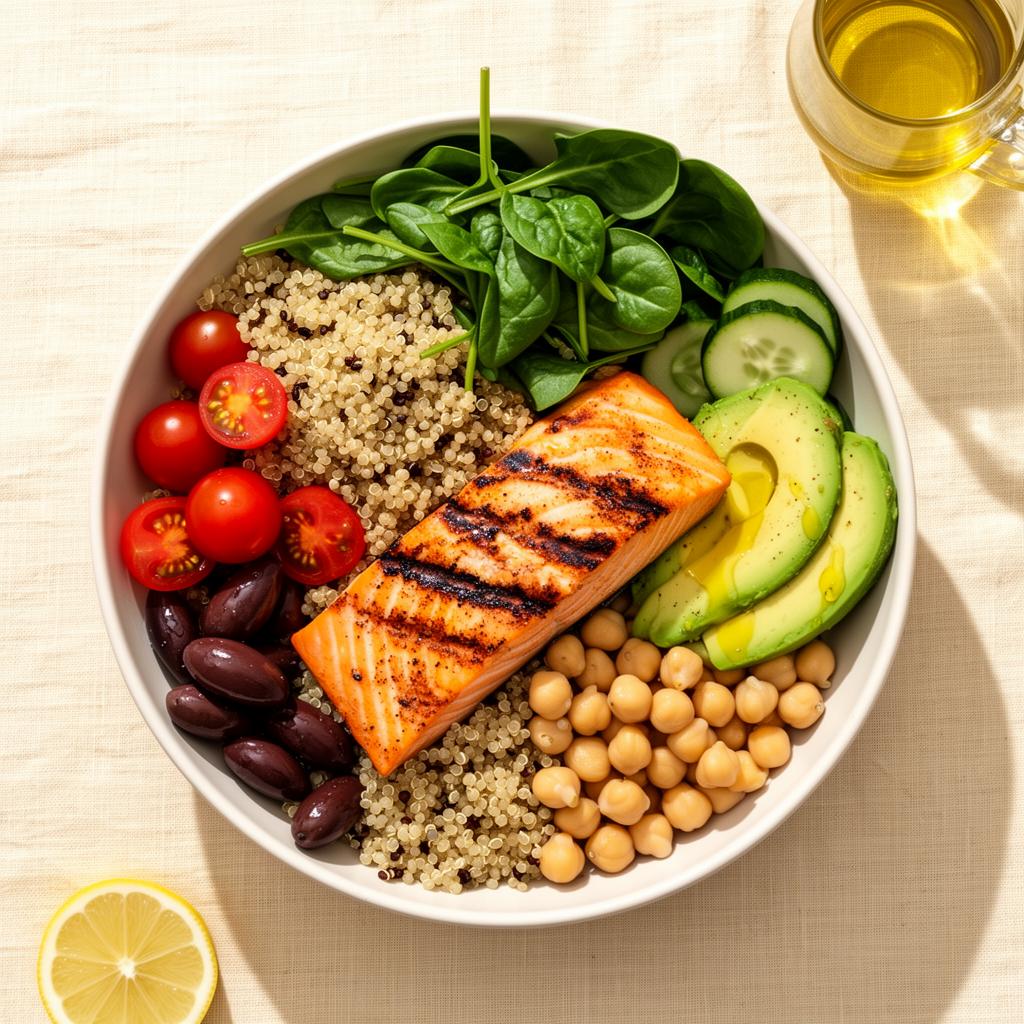
At its core, the approach is simple. You build meals around minimally processed foods, plenty of fiber-rich vegetables, adequate protein, and healthy fats from olive oil, fatty fish, nuts and seeds. You aim for stable blood sugar across the day. And you sharply reduce the things that quietly inflame the body — refined sugars, ultra-processed snacks, fried foods, and industrial seed oils.
So why does this make such a difference for weight loss? Because inflammation touches almost every system involved in fat loss. When the body is chronically inflamed, cortisol stays elevated, which encourages belly fat storage and water retention. Blood sugar swings harder, which drives hunger and cravings. The gut becomes more reactive, which messes with digestion, bloating and appetite signals. And over time, all of this pushes the body toward insulin resistance — the single biggest reason healthy habits stop producing results.
Researchers consistently link chronic low-grade inflammation to obesity, insulin resistance and metabolic syndrome. Fat tissue itself produces inflammatory molecules called cytokines (TNF-α, IL-6) that interfere with insulin signaling, appetite regulation and energy metabolism. It becomes a feedback loop: more fat creates more inflammation, more inflammation makes fat harder to lose.
An anti-inflammatory pattern breaks that loop. Studies suggest it can improve insulin sensitivity, blood sugar regulation, satiety, gut microbiome diversity and inflammatory markers like CRP. None of those changes are about willpower. They change the underlying biology — so the same effort starts producing visible results.
For women specifically, this matters even more. Inflammation and insulin resistance are tightly linked to hormonal dysregulation — PCOS, perimenopause, menopause-related weight gain, and the stubborn abdominal fat that shows up in your 40s. Lowering inflammation often unlocks weight loss that no calorie deficit could touch on its own.
What people actually feel, usually within the first two to three weeks: less bloating and puffiness, more stable energy across the day, fewer cravings, better sleep and recovery, and a quieter relationship with food. Many describe it as the body suddenly 'responding' to healthy habits again — eating well finally produces the result it's supposed to.
The takeaway is this: if you've been doing 'all the right things' and your body still won't shift, the problem might not be your effort. It might be inflammation. Calm it down — with whole foods, fiber, protein, omega-3s, polyphenols and steady blood sugar — and weight loss often becomes the side effect, not the goal.